



Between the Isère and the Drôme, the Vercors is a place to explore on foot or by bike, stopping in its villages along the way. Mont Aiguille is the first landmark to catch your eye. In Pont-en-Royans, the water explains the shape of the village. Elsewhere, a museum visit helps you understand the history you encounter on the trails. A morning outdoors can continue with a cultural visit in the afternoon.
Based in Méaudre in the Vercors, Grand Angle is a travel agency specialising in walking and cycling holidays, founded in 1983. In this article, our team and guides share their knowledge of the area.
Here are ten places to visit in the Vercors and its gateways in the Royans and Trièves, with practical advice to help you choose your visits and plan your days.
| What to discover | Viewpoints, caves, villages and places of remembrance |
|---|---|
| Who is it for? | Couples, families and friends, with outings suited to each person’s ability |
| Suggested length of stay | 2 or 3 days in one area; several visits to explore the whole region |
| Season | The warmer months for cycling and sightseeing; winter for Nordic activities and sites that remain open |
| Plan ahead for | Seasonal opening hours, bookings, and road and trail conditions |
10 places to discover in the Vercors
- Mont Aiguille and the Hauts-Plateaux
- Combe Laval by bike
- Pont-en-Royans
- The Jardin des Fontaines Pétrifiantes
- Vassieux-en-Vercors
- Villard-de-Lans and Corrençon
- The Col de Rousset
- Autrans-Méaudre
- Saint-Nazaire-en-Royans and the Thaïs cave
- The Choranche cave
- Planning your visits
- Frequently asked questions
1. Mont Aiguille and the Hauts-Plateaux: the massif’s distinctive landscapes
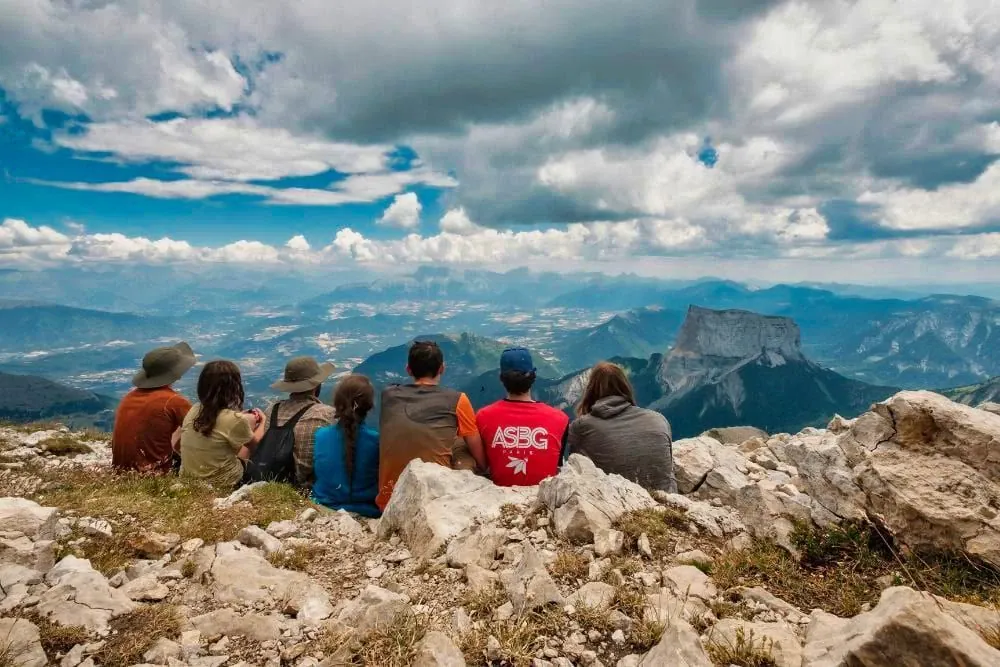
Mont Aiguille is recognisable by its sheer cliffs and flat summit. From the Trièves, its silhouette follows the roads around Chichilianne and Trézanne. Take time to admire it from the villages, then choose a walk that reveals other sides of the mountain.
The full circuit of Mont Aiguille requires a good level of fitness. Reaching its summit involves rock climbing and calls for the appropriate skills and equipment. For a first visit, choose your viewpoint and walk according to your experience, rather than aiming for the summit.
The Hauts-Plateaux extend the experience into open limestone landscapes and forests of mountain pine. Walking in the reserve requires careful navigation planning and enough drinking water, as springs can run dry. Our account of crossing the plateau via Grand Veymont gives an idea of a multi-day walking route.
Our guided circuit of the Hauts-Plateaux and Mont Aiguille is intended for regular walkers who want to explore these landscapes with a mountain leader. The itinerary describes the stages and their difficulty.
2. Combe Laval: a road and limestone cirque to discover by bike
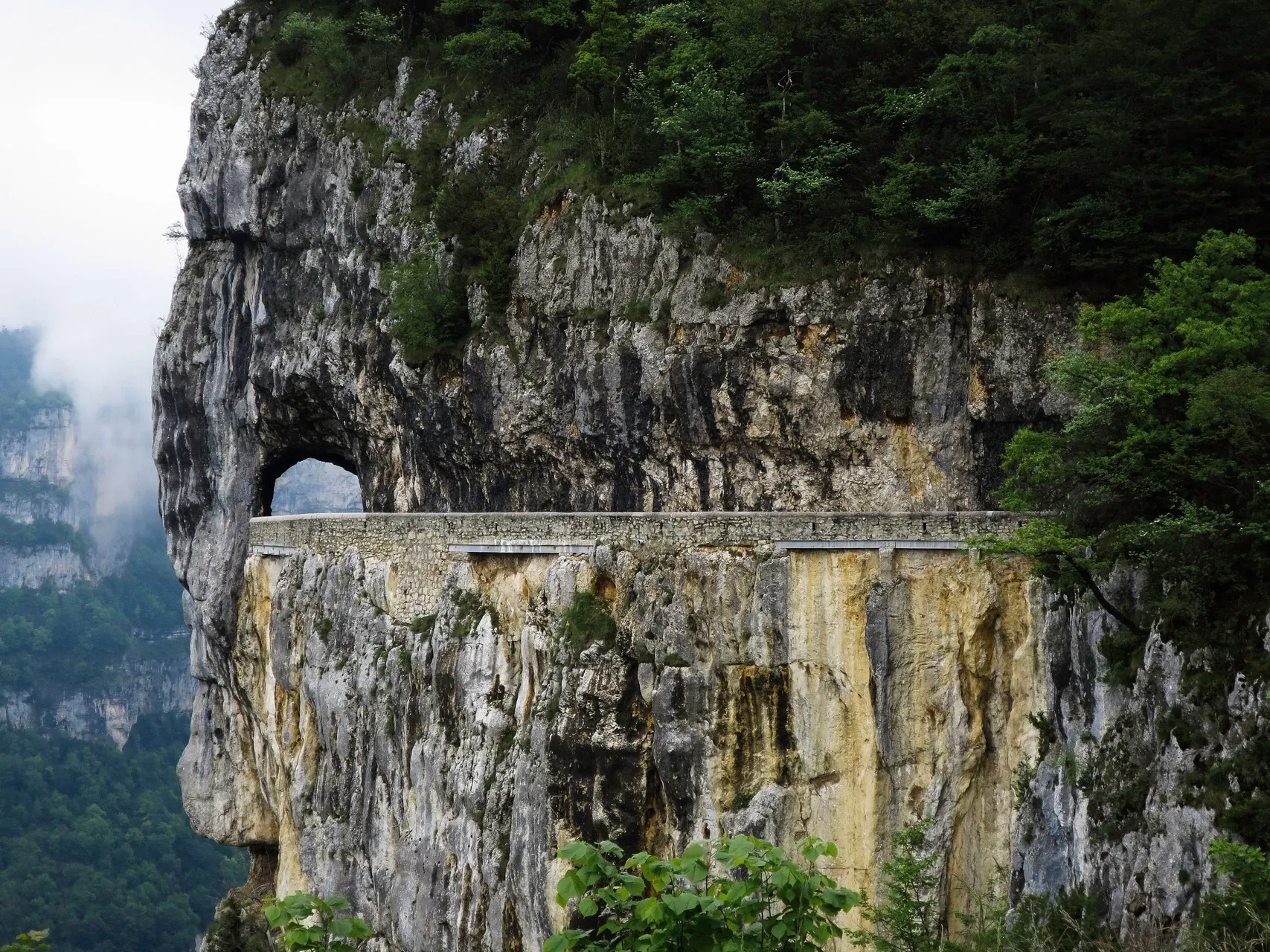
At Combe Laval, the road clings to the cliff and passes through tunnels cut into the limestone. Views open through gaps in the rock as you follow the route. The viewpoint at the Col de la Machine looks over the whole cirque and the Royans below. This former forestry road also tells the story of the effort needed to connect the plateaux with the valley.
On a bike, the visit takes on another dimension: you feel the climb and watch the views gradually open up. The route involves climbing and shares the road with motor vehicles. Choose a circuit suited to your ability, using an e-bike if appropriate, and keep enough energy for the return.
The road is narrow and some sections are exposed to steep drops. Bring lights that make you visible in the tunnels and stop only where you can move clear of traffic. Check Vercors Drôme road information before setting out: roadworks and weather can affect access.
Our Grand Tour of the Vercors cycling holiday offers a longer journey through the massif. To compare regions and difficulty levels:
3. Pont-en-Royans: hanging houses and heritage beside the Bourne
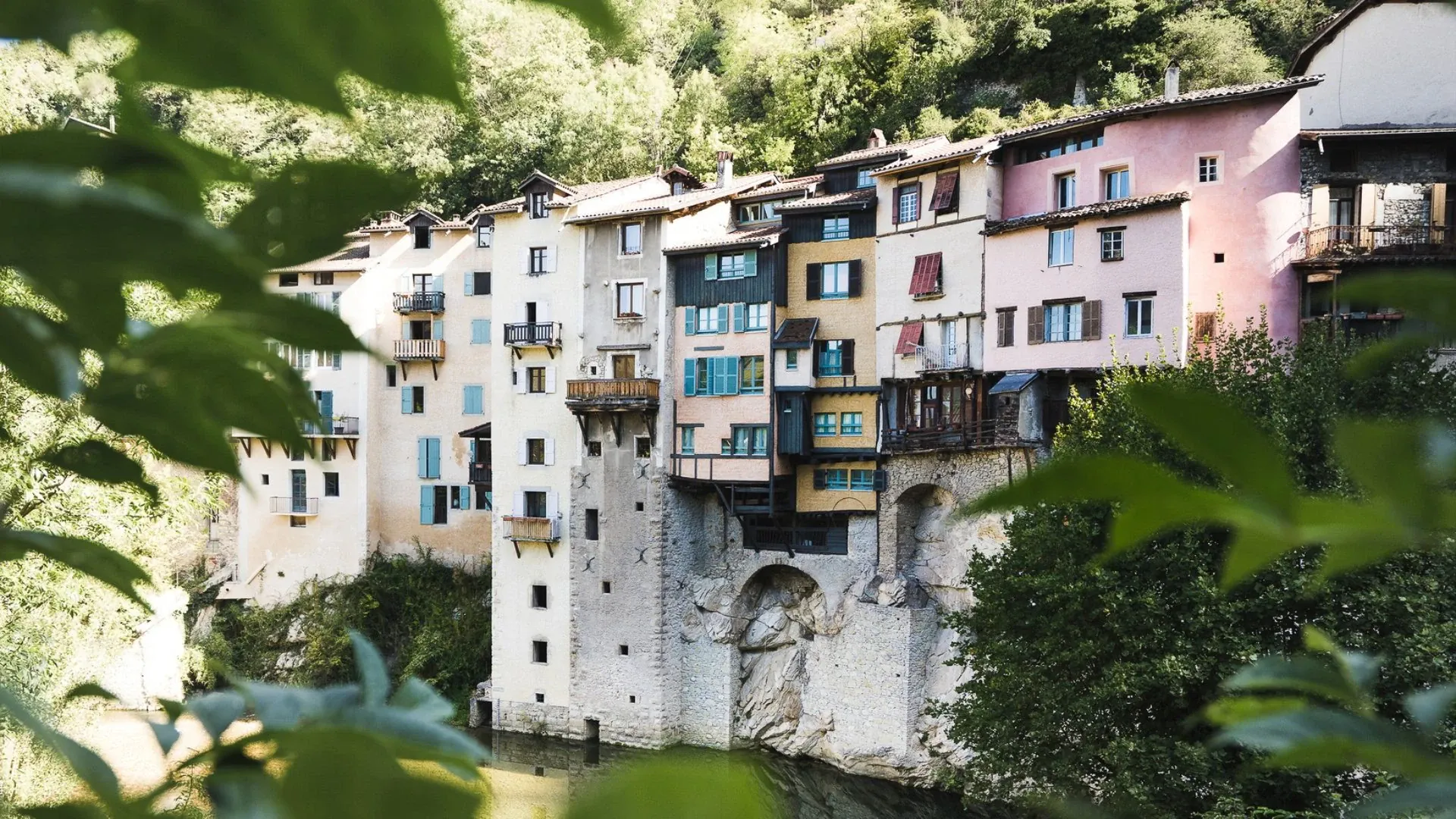
Explore Pont-en-Royans on foot, taking time to look at the houses hanging above the Bourne. Their colourful façades, balconies and rocky foundations give the village its character. From the bridge and riverbank, you can see how water has shaped this gateway to the Vercors.
Continue through the narrow streets, then visit the Musée de l’Eau. The museum broadens the picture: water shapes landscapes, supports human activities and raises questions that reach well beyond the village. Its water bar offers a practical way to discover the variety of this resource.
Allow half a day if you combine a walk with the museum. This is an estimate to help you enjoy the visit at your own pace. Pont-en-Royans and Choranche work well together in one day, provided you book a cave tour and check the museum’s opening hours.
4. The Jardin des Fontaines Pétrifiantes: a visit to La Sône
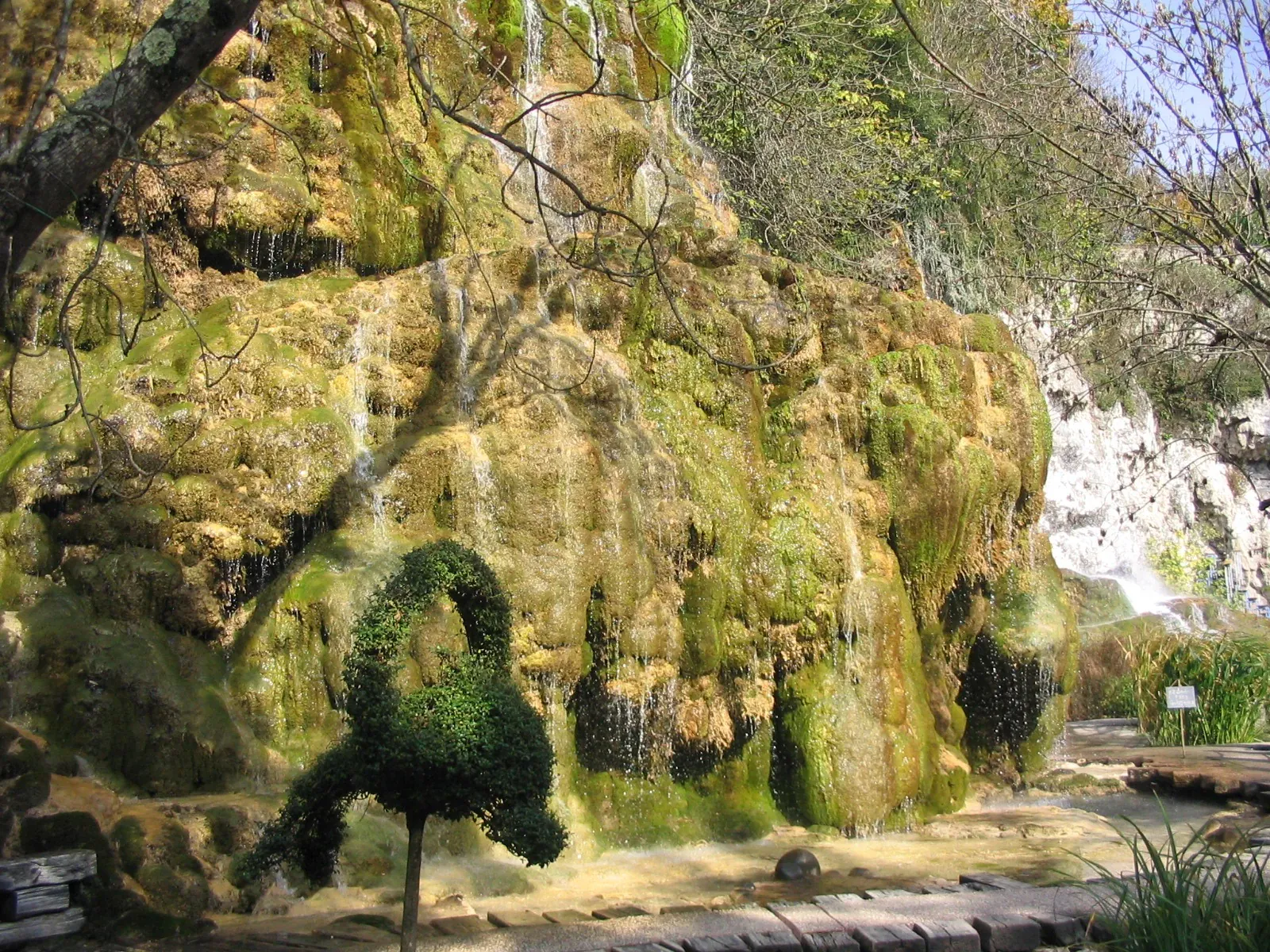
At La Sône, beside the Isère at the edge of the massif, the Jardin des Fontaines Pétrifiantes offers a walk among water features and plants. Springs deposit limestone on mosses, creating tufa formations. You can observe the process in a landscaped garden, where planting and the gardeners' creations accompany the route.
The visit complements the caves: here, in the open air, you can see how water helps form limestone landscapes. Take time to observe the deposits on vegetation and the different ways water flows through the garden. These details are as much a part of the visit as the garden as a whole.
A self-guided visit usually takes 1 hour to 1 hour 15 minutes. The garden closes seasonally: check opening days and hours before planning your stop, especially early or late in the season.
5. Vassieux-en-Vercors: understanding the area’s history
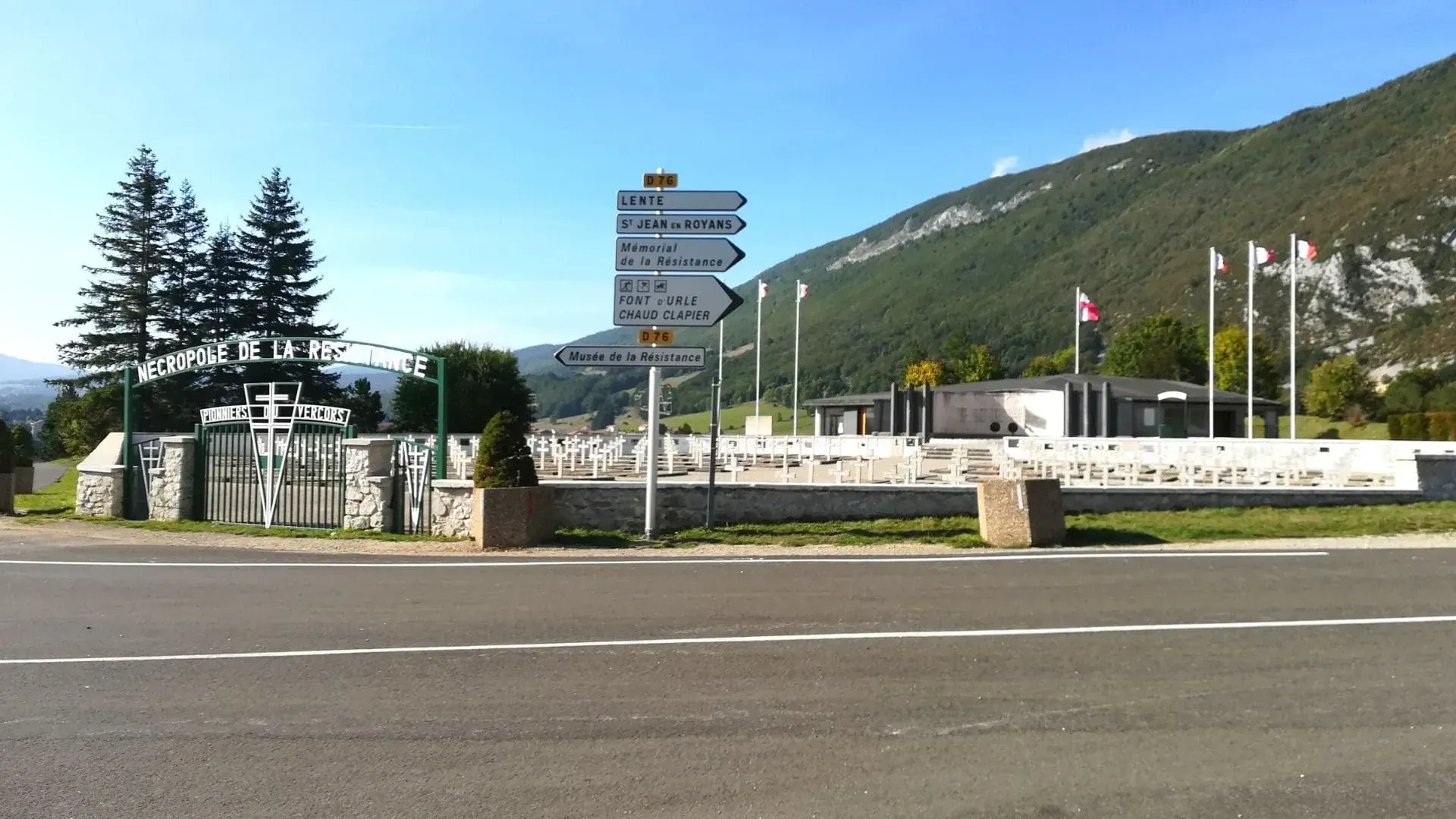
In Vassieux-en-Vercors, cultural visits help explain what the landscape alone cannot tell you. The Musée départemental de la Résistance, in the village, presents the history of the Resistance fighters and the events of 1944. At the Col de la Chau, the Mémorial de la Résistance offers a complementary visit in a building facing the plateau and ridges.
Set aside time for these places of remembrance. They give meaning to the names you encounter on the massif’s roads and trails. Depending on your pace, choose one for an in-depth first visit, then return to discover the other. The memorial has closing days and seasonal closures.
The Musée de la Préhistoire explores a much earlier period. Built around a flint-working site discovered here, it presents the tools and activities of the area’s earliest inhabitants. Demonstrations and workshops are offered according to the programme. A walk on the plateau afterwards helps place these discoveries in their landscape.
6. Villard-de-Lans and Corrençon: villages, walks and family outings
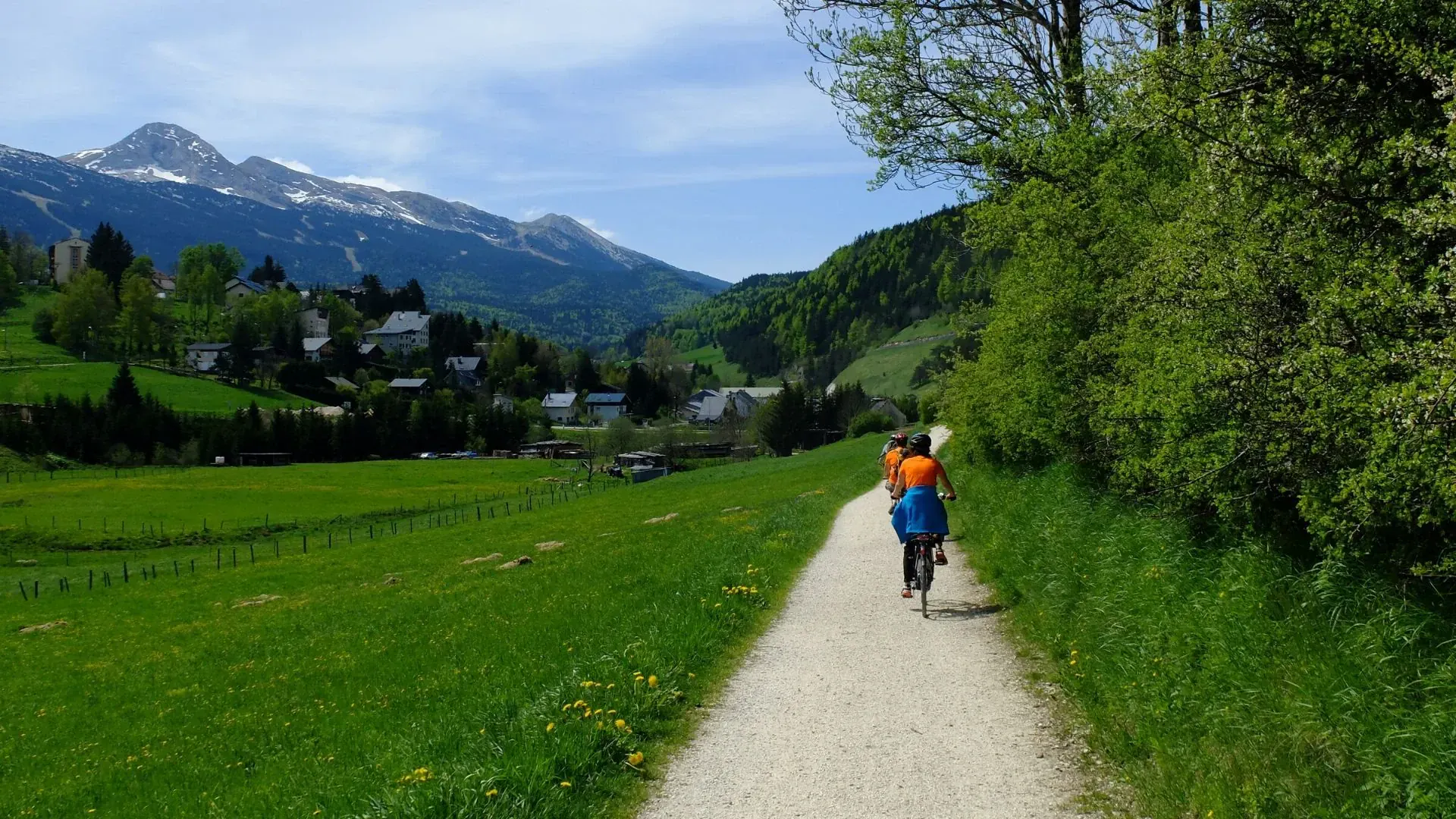
Villard-de-Lans and Corrençon make a practical base for combining village visits with time outdoors. In Villard, the Maison du Patrimoine, housed in the former town hall, tells the story of the Quatre Montagnes. It covers everyday life, farming and the development of tourism in the area.
Around Corrençon, woodland walks let you choose an outing that fits the time available. The ViaVercors also offers walking and cycling between villages: choose a section suited to everyone’s ability. A stop at a local producer or a taste of Bleu du Vercors-Sassenage cheese rounds off the day.
To help children discover the forest through an investigation, Pied Vert offers an outdoor escape game in the Vercors, particularly in Villard-de-Lans and Autrans. The puzzles encourage observation of the surroundings. The game is advertised for ages 8 and over and must be booked with the team.
For more walks suited to younger children, our account of a family trip to the Hauts-Plateaux shares an overnight camping experience in the massif.
7. The Col de Rousset: views between the Vercors and the Diois
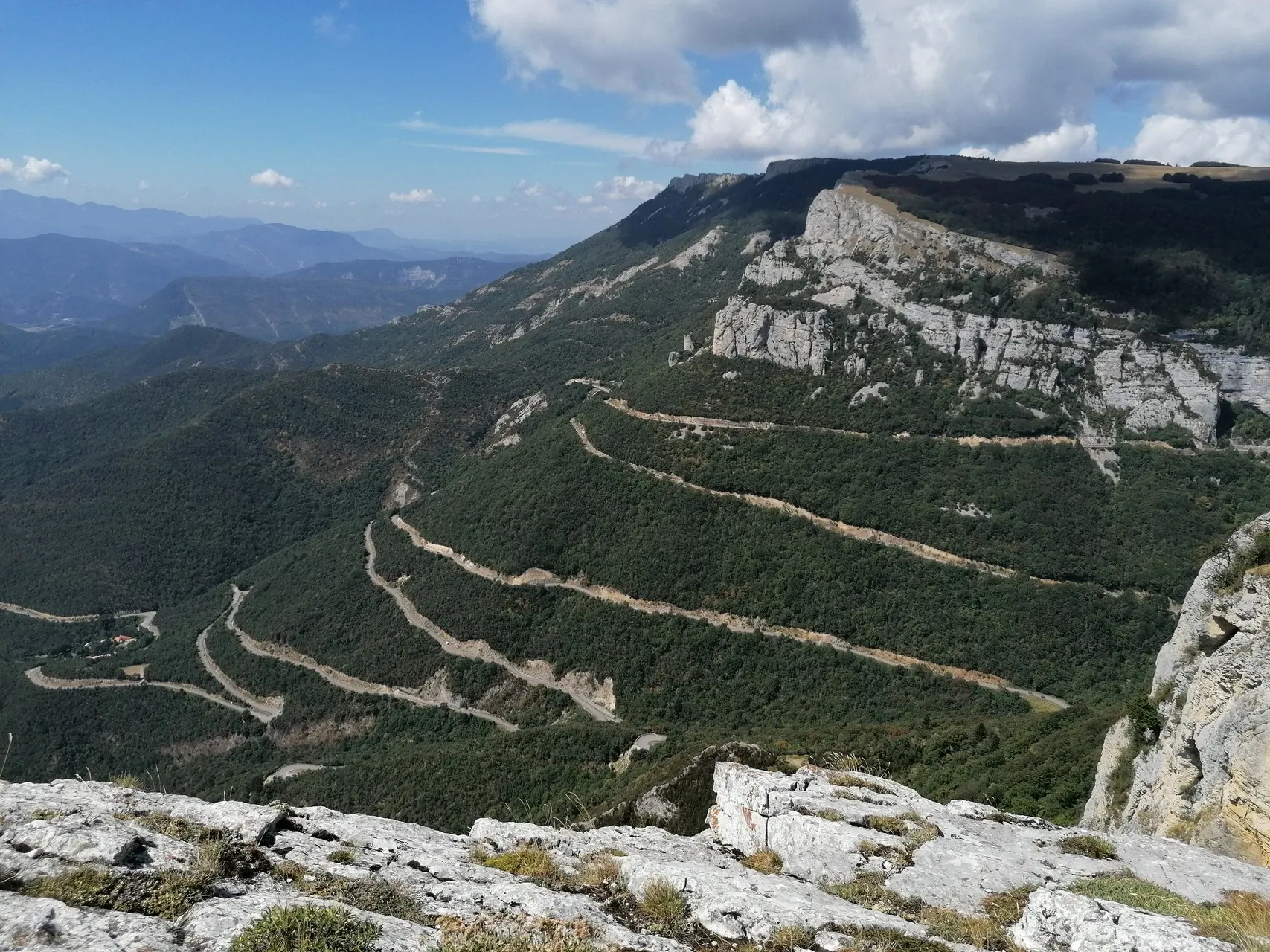
The Col de Rousset connects the Vercors plateau with the Diois. On the Die side, the bends in the road reveal the terrain, while viewpoints offer places to pause and take it in. An orientation table stands at the tunnel exit on the Diois side, a useful stop when travelling through this part of the massif.
To leave the road behind, you can walk to the natural pass. The tourist office describes a 2.5 km circuit, with 140 m of ascent, taking about 1 hour, starting from the resort. It is rated moderate and passes close to cliffs: choose it according to your experience and the day’s conditions.
The walk helps you appreciate the transition between the landscapes of the Diois and the plateau. Other, longer routes head towards the Hauts-Plateaux. The description of the natural pass helps you prepare and identify the correct starting point.
8. Autrans-Méaudre: discovering the Vercors villages and forests
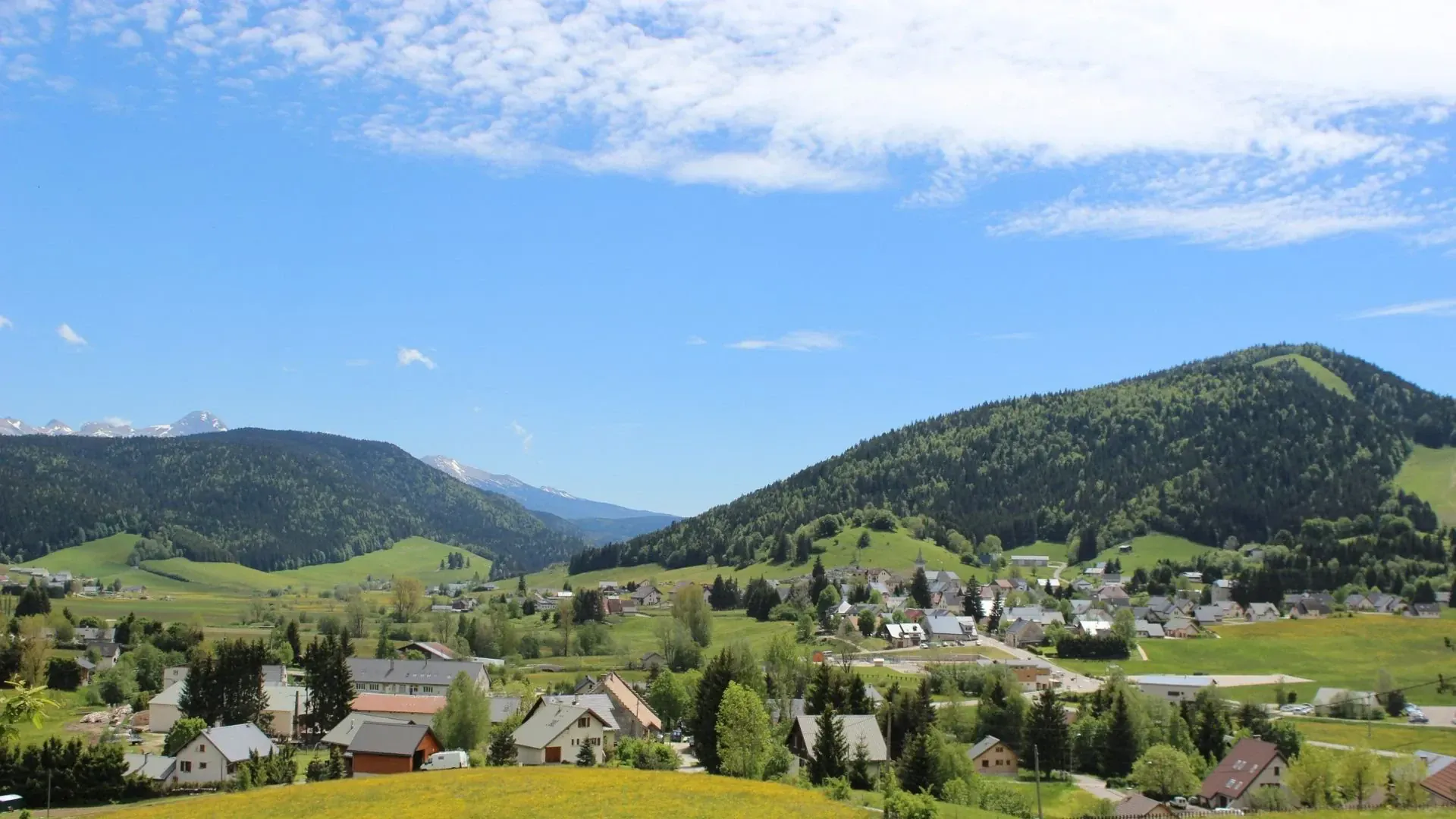
In the Autrans-Méaudre valley, the villages open onto meadows surrounded by forests. A walk through Méaudre introduces its rural heritage: the route “Méaudre au fil des lauzes” invites you to look for traces of everyday life and explore the natural surroundings. Its booklet is available from the tourist office.
Continue into the forests on foot and take time to observe. To learn to recognise signs of wildlife, Pied Vert’s mountain leaders offer outings following wolf tracks in the Vercors. You learn to read tracks and discuss the animal’s life and its relationship with livestock farming. Seeing a wolf directly remains rare: part of the outing is understanding what you cannot see.
In winter, the area lends itself to Nordic activities. Our ideas for snowshoe walks in the Vercors suggest another season to explore, with routes chosen according to snow cover and your ability.
9. Saint-Nazaire-en-Royans: the Thaïs cave and a trip on the water
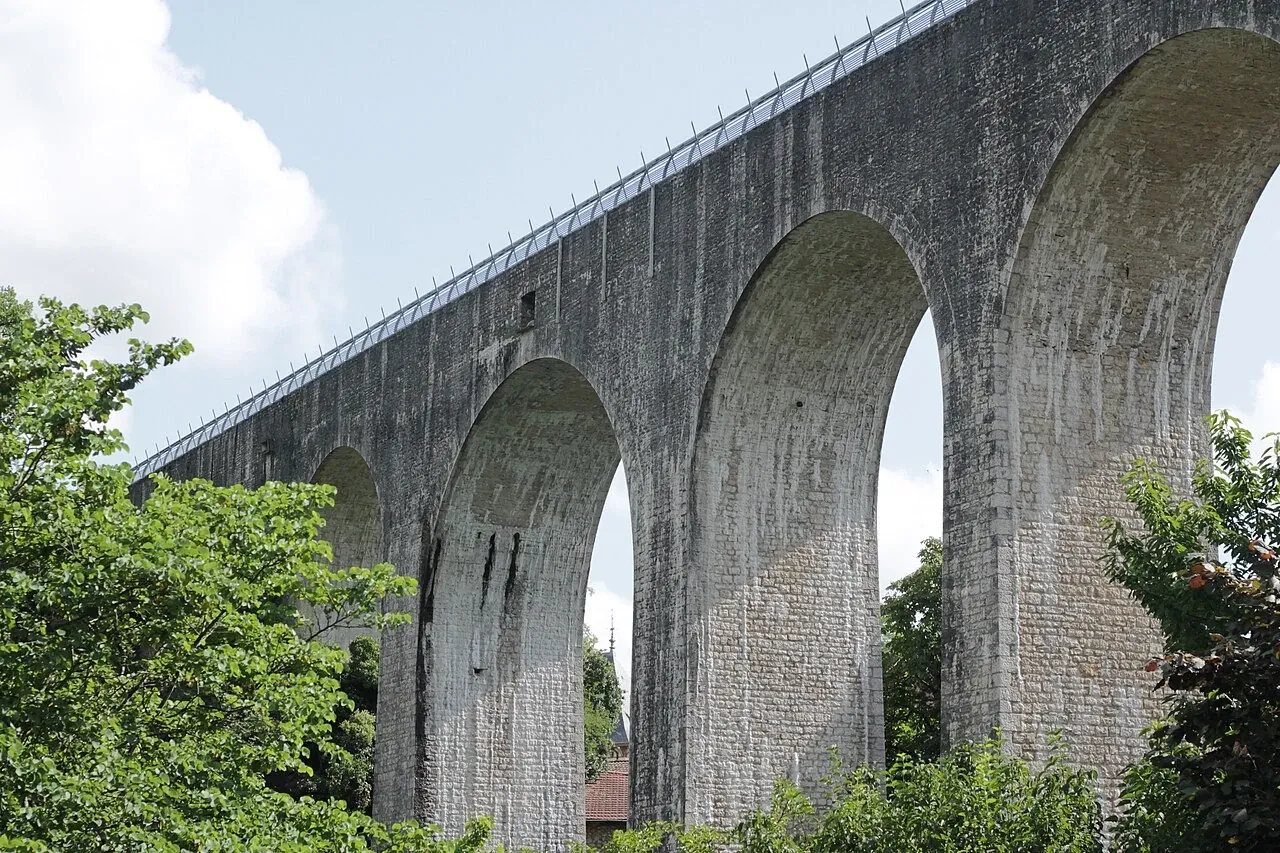
Saint-Nazaire-en-Royans offers a stop at the gateway to the Vercors, with its aqueduct and views of the Isère. The Thaïs cave reveals galleries shaped by underground water and evidence of prehistoric occupation. Its guided tour usually lasts about 1 hour.
In the warmer months, the Bateau à Roue Royans-Vercors lets you continue onto the Isère and the Bourne. The cruise lasts about 1 hour 30 minutes, departing from and returning to Saint-Nazaire-en-Royans. If you want to combine it with the Jardin des Fontaines Pétrifiantes, plan two separate stops in your day.
Check opening periods and book time slots with the organisers before you come. The cave and boat each have their own timetable: plan around the visits available during your stay.
10. The Choranche cave: discovering the underground Vercors
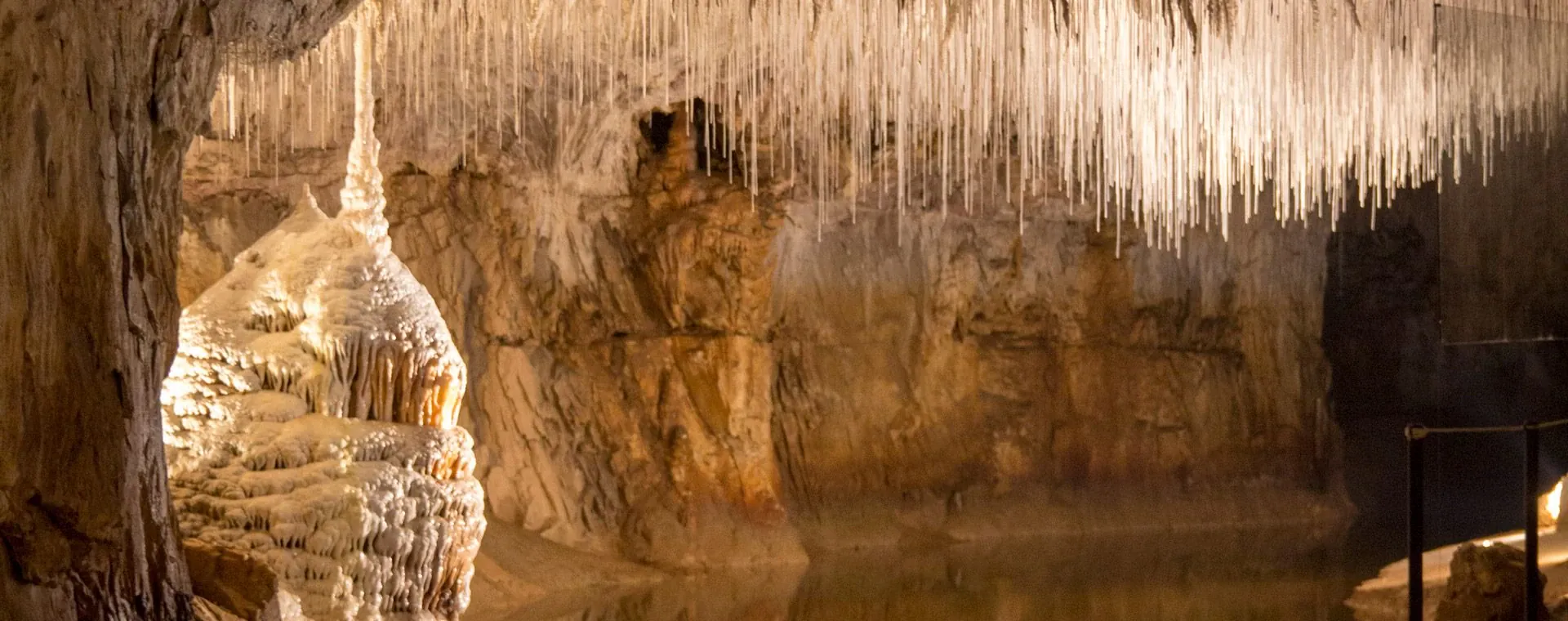
The Choranche cave takes you into a different timescale. Beneath the Presles cliffs, water has carved galleries and deposited limestone. The delicate soda-straw stalactites are among the formations visitors come to see. Lighting guides your eye while the guide explains how the underground network formed.
Visits are exclusively guided and last about 1 hour. Allow 1 hour 30 minutes on site, plus the time needed to get there. Between the ticket office and the cave entrance, the sloping path takes about 15 minutes to walk. A developed visitor site does not mean an entirely level route.
The temperature inside is 10°C all year round: bring a warm layer, even in summer. Pushchairs are not allowed in the cave.
Planning your visits in the Vercors
The massif and its foothills cover several areas. Distances on a map give only part of the picture: mountain roads take time and may be affected by roadworks. For 2 or 3 days, choose one base and group nearby visits together. Adapt these suggestions to opening hours and your interests, without trying to fit all ten stops into one weekend.
| Your base | A first day | To explore further |
|---|---|---|
| Royans | Pont-en-Royans and the Choranche cave, according to your booked time slots | La Sône or Saint-Nazaire-en-Royans in season; Combe Laval for a prepared day of cycling |
| Quatre Montagnes | Villard-de-Lans and Corrençon, with a walk chosen locally | Autrans-Méaudre, local heritage and a pre-booked nature outing |
| Vercors Drôme | Vassieux and an in-depth cultural visit | Col de Rousset and the walk to the natural pass if conditions allow |
| Trièves | Villages and viewpoints of Mont Aiguille | A day walk or a prepared multi-day route on the Hauts-Plateaux |
In the warmer months, it is easier to combine walking, cycling and seasonal visits. In winter, Nordic activities take a greater role and several sites close. Check guided departures and museum opening hours for the dates of your stay. To choose your base, see our suggestions for hotels and guesthouses in the Vercors.
For arrival by train or a day without a car, first plan public transport connections and the return to your accommodation. Some walking routes and visitor sites then require a pre-booked transfer. Note the exact pickup location, number of passengers and luggage before requesting a quote.
Our partner Ambulances Ferlin, based in Saint-Marcellin and the Royans-Vercors, also offers a conventional taxi and on-demand transport service. It covers journeys to stations, accommodation and walking route starting points in the massif. This tourist service is separate from its medical transport activity. Ask the company directly about options, prices and booking conditions for your journey: the existence of the service does not guarantee availability without a reservation.
If you want walking or cycling to play a larger part in your visit, our holiday descriptions set out the stages, difficulty level and services provided. The visits in this guide are not all included in every holiday: check the itinerary of the trip that interests you.
Frequently asked questions about visiting the Vercors
What can families visit in the Vercors?
Combine a walk in Pont-en-Royans with the Musée de l’Eau. Choranche can suit children who can walk, allowing for the approach path and the cool temperature inside. In season, the Jardin des Fontaines Pétrifiantes and visits in Saint-Nazaire-en-Royans offer further options. In Villard and Autrans, choose walks and guided activities according to the children’s ages.
Where can you visit in the Vercors when it rains?
The museums in Pont-en-Royans, Villard-de-Lans and Vassieux offer indoor visits, subject to their opening hours. The Choranche cave is another option, with an outdoor approach before the guided tour. Save viewpoints and walks for suitable conditions: clouds can hide the view completely.
How many days should you allow for the main sights of the Vercors?
Allow 2 or 3 days to discover one area and enjoy different outings. To combine the Royans, Quatre Montagnes and Mont Aiguille, allow more time or make several visits. A walk on the Hauts-Plateaux deserves a day of its own, or several days on a longer route, depending on your chosen itinerary.
Can you discover the Vercors without being an experienced walker?
Yes. Villages and museums let you explore with limited walking, adapted to your mobility. Several viewpoints can be reached from the roads. For walking and cycling outings, check the ascent and terrain: the Hauts-Plateaux and Combe Laval call for different preparation from a stroll through a village.
Not decided yet? Let us keep in touch.
A route idea, a seasonal tip, a date that opens up: one letter a week, written by the advisors who design the trips.
Your weekly dose of travel inspiration.
Article written by
Solène Roux
Editorial lead
Passionate about travel and a keen advocate of slow travel, I am fortunate to turn my love of adventure into engaging stories. As editorial lead at GrandAngle.Travel, an agency specialising in trekking and cycling…


